

Healing from addiction and co-occurring mental health challenges rarely follows a simple or predictable path. Substance use disorders are complex conditions that affect not only the body, but also a person’s emotional life, relationships, coping mechanisms, and sense of identity. In clinical practice, one pattern becomes clear over time: recovery is not built through a single moment of change or a short stay in treatment. It develops gradually through sustained support, reflection, and growth.
In many ways, the earliest stages of treatment are designed to stabilize a crisis. Detoxification helps the body safely withdraw from substances and manage the physical dangers of acute withdrawal. Residential treatment provides structure and distance from the environmental triggers that often fuel substance use. These stages are essential, but they are primarily focused on stabilization rather than long-term healing.
Stopping substance use is an important milestone, but it is only one part of recovery. Once the immediate crisis has passed, a deeper question often begins to emerge: why did the substance become necessary in the first place?
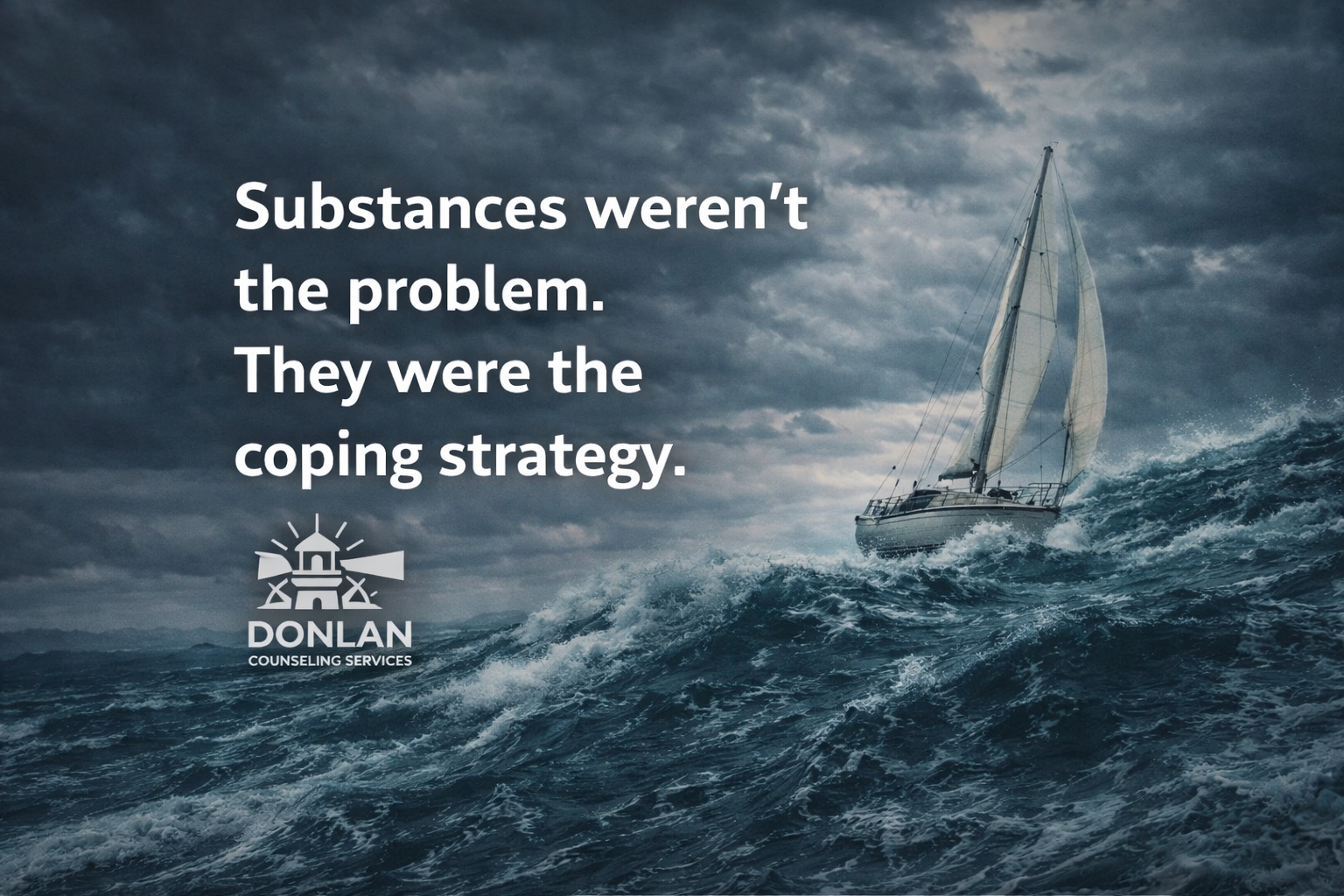
For many individuals, substances were never simply about intoxication. They served a function. Alcohol may have quieted anxiety. Opioids may have numbed emotional pain. Stimulants may have helped someone push through exhaustion or depression. In other cases, substances helped individuals temporarily escape trauma, loneliness, chronic stress, or feelings of inadequacy. When those substances are removed, the underlying emotional drivers that once fueled their use often remain.
This is where the longer arc of recovery begins to unfold.
As individuals move beyond the initial stages of treatment, the continuum of care typically shifts toward step-down programs such as Partial Hospitalization Programs (PHP) and Intensive Outpatient Programs (IOP). These programs provide continued structure and clinical support while allowing individuals to begin navigating everyday life again. They serve as important bridges between highly structured treatment environments and full independence.
But over time, many of the most meaningful breakthroughs in recovery occur in a different setting altogether: ongoing individual counseling.
In individual therapy, the focus gradually shifts away from immediate crisis management and toward deeper understanding. Patients begin exploring the emotional patterns, personal histories, and mental health challenges that contributed to their substance use in the first place. Anxiety, depression, trauma, relationship dynamics, and long-standing coping habits often become central themes in this work.
This process rarely unfolds quickly. It requires trust, time, and a therapeutic relationship that can support difficult conversations and sustained personal growth. As the intensity of treatment decreases, the depth of the therapeutic work often increases.
Clinical research continues to reinforce the importance of this extended engagement in care. In a 2021 study examining treatment retention and abstinence, researcher C. Daigre and colleagues followed patients over a six-month period to evaluate how time spent in treatment affected sobriety outcomes. Their findings demonstrated that individuals who remained consistently engaged in treatment showed significantly higher rates of abstinence compared to those who disengaged early. Retention in treatment continues to emerge as one of the strongest predictors of long-term recovery success.
Other research has explored recovery through the lens of remission from a chronic condition. A 2021 systematic review and meta-analysis conducted by M. Beaulieu and colleagues analyzed remission from substance use disorders across a wide range of populations. Their findings reinforced an important clinical observation: recovery outcomes improve when individuals receive ongoing, multi-layered support across different levels of care. Sustained engagement allows individuals to strengthen coping strategies, stabilize mental health symptoms, and reduce the likelihood of relapse over time.
For many individuals, this ongoing support takes the form of long-term individual counseling.
Unlike residential treatment or intensive outpatient programs, individual therapy is not bound by a short-term timeline. The therapeutic relationship can extend for months, years, or even decades as individuals continue building stability in their lives. Over time, therapy often evolves alongside the patient’s changing needs.
In early recovery, counseling may focus heavily on relapse prevention, repairing damaged relationships, and establishing a sober identity. As recovery progresses, the focus often shifts toward deeper emotional work. Individuals may begin processing trauma, navigating complex family dynamics, managing career pressures, or confronting long-standing patterns that once made substances feel necessary.
In addition, a large percentage of individuals living with substance use disorders also experience co-occurring mental health conditions such as anxiety disorders, depression, bipolar disorder, or post-traumatic stress. Long-term counseling provides a consistent space where these mental health challenges can be addressed alongside recovery, helping individuals maintain stability as they continue to grow.
Individual therapy also serves a preventative function in long-term recovery. Just as someone living with a chronic medical condition benefits from routine medical care, individuals recovering from addiction often benefit from ongoing psychological support. A trusted counselor who understands a patient’s history can often recognize subtle shifts in mood, thinking patterns, or stress levels long before those changes evolve into a relapse. Addressing those warning signs early can help protect the progress individuals have worked so hard to achieve.
Recent research continues to reinforce the importance of sustained connection to care. A 2025 study by M. Narváez-Camargo and colleagues examining treatment outcomes in substance use disorder highlighted the strong relationship between ongoing therapeutic engagement and improved long-term recovery outcomes. Their findings echo what many clinicians observe in practice: individuals who remain connected to supportive treatment relationships tend to experience more stable and enduring recovery.
Healing from addiction and co-occurring mental health conditions is not simply about removing substances from someone’s life. It is about helping individuals build new ways of coping, new ways of relating to others, and new ways of understanding themselves.
That kind of change takes time.
By embracing the full continuum of care—from detoxification and residential treatment through step-down programs and long-term counseling—individuals give themselves the opportunity to do the deeper work that recovery requires. They gain the time and support needed to understand what they were trying to manage or escape through substance use, and to develop healthier ways of navigating those same challenges moving forward.
Recovery is not built in a single breakthrough or a short treatment stay. It is built slowly through sustained support, reflection, and growth.
Recovery, quite simply, is built over time—not overnight.